
It is officially 2026. If you take a look around your Cape Town home, things probably look a little different than they did five years ago. Maybe you have a few more smart cameras watching the perimeter, your home office is now a permanent fixture, and your kids are likely streaming 8K video or playing immersive VR games that consume bandwidth like it’s going out of fashion.
At WiFi Heroes, we get asked one question more than any other lately: "Do I actually need Wi-Fi 7, or is my current setup good enough?"
It’s a fair question. Every few years, a new number drops, promising "blazing speeds" and "unparalleled reliability." But in 2026, Wi-Fi 7 (or 802.11be, if you want to get technical) isn't just another incremental update. It is a massive leap forward.
If you’re wondering whether it’s time to swap out those aging routers or if you’re planning a new build in Constantia or Camps Bay, here is everything you need to know about why Wi-Fi 7 matters right now.
What Exactly is Wi-Fi 7?
To understand why Wi-Fi 7 is a big deal, we have to look at what it brings to the table. Think of your Wi-Fi network like a highway.
- Wi-Fi 5 was like a two-lane road. It worked, but it got congested quickly.
- Wi-Fi 6 added more lanes and better traffic lights (efficiency).
- Wi-Fi 7 is like a 16-lane super-highway with no speed limits and a dedicated lane for every single car.
The theoretical peak speed of Wi-Fi 7 is a staggering 46 Gbps. That is nearly five times faster than Wi-Fi 6. Now, realistically, you aren't going to see 46 Gbps on your iPhone while sitting on the couch, your fiber line isn't even that fast yet! But speed isn't the only reason we care about this new standard.
The "Secret Sauce": Why Wi-Fi 7 is Different
While everyone talks about speed, the real magic of Wi-Fi 7 in 2026 lies in three specific technologies: MLO, 4K QAM, and 320 MHz channels.
1. Multi-Link Operation (MLO)
This is the game-changer. Previously, your device would connect to either the 2.4GHz, 5GHz, or 6GHz band. With MLO, a Wi-Fi 7 device can connect to all of them at the same time.
Imagine if your phone could download data across multiple frequencies simultaneously. This reduces "jitter" and makes your connection incredibly stable. If one frequency gets interference (maybe the microwave is running or a neighbor is using a heavy-duty router), the other bands pick up the slack instantly. For remote workers in Cape Town who can’t afford a dropped Zoom call, MLO is a lifesaver.
2. 320 MHz Channels
Wi-Fi 7 doubles the channel width compared to Wi-Fi 6. In simple terms, the "pipes" are twice as wide, allowing much more data to flow through at once. It’s like upgrading from a garden hose to a fire hose.
3. 4K QAM
This stands for Quadrature Amplitude Modulation. Without getting into a math lesson, it essentially allows the signal to pack 20% more data into every transmission. More data per second equals higher efficiency.
Does It Matter for Your Cape Town Home?
You might be thinking, "I only have a 500Mbps fiber line, why do I need a router that can do 40Gbps?"
It’s not just about the raw speed from the street; it’s about the capacity and latency inside your home.
The Modern Smart Home
By 2026, the average high-end home in Cape Town has between 40 and 100 connected devices. Smart lights, speakers, aircon controllers, security cameras, tablets, and solar inverters all fight for a slice of the Wi-Fi pie. Wi-Fi 7 is designed to handle this "device density" without breaking a sweat. If you’ve noticed your Netflix buffering while your security cameras are uploading footage, Wi-Fi 7 is the solution.
Gaming and VR/AR
For the gamers out there, latency is the enemy. Wi-Fi 7 brings wireless latency down to under 5 milliseconds. That is virtually indistinguishable from a wired Ethernet connection. If you’re using the latest VR headsets or cloud gaming services, Wi-Fi 7 is the only way to get a truly immersive, lag-free experience.
Remote Work 2.0
In 2026, video conferencing has evolved. We aren't just doing 720p calls anymore; we’re doing high-res, multi-person collaborative sessions. Having a rock-solid connection that doesn't stutter when someone else in the house starts a download is essential for productivity.

Wi-Fi 6 vs. Wi-Fi 7: Which One Makes Sense?
We’ve written a deep dive on Wi-Fi 6 vs. Wi-Fi 7, but here’s the short version:
If you are currently running a Wi-Fi 5 (802.11ac) system, the jump to Wi-Fi 7 will feel like moving from a bicycle to a Ferrari. If you already have a high-end Wi-Fi 6 or 6E system, the "need" isn't as urgent, but the benefits for future-proofing your home are still significant.
As more devices (like the latest iPhones, Samsung Galaxy phones, and MacBooks) come standard with Wi-Fi 7 chips, your old router will eventually become the bottleneck in your home.
The Infrastructure Trap: Don't Forget the Cables!
Here is something many people overlook: You can buy the fanciest Wi-Fi 7 router in the world, but if the cable connecting it to your fiber box is old, you’re wasting your money.
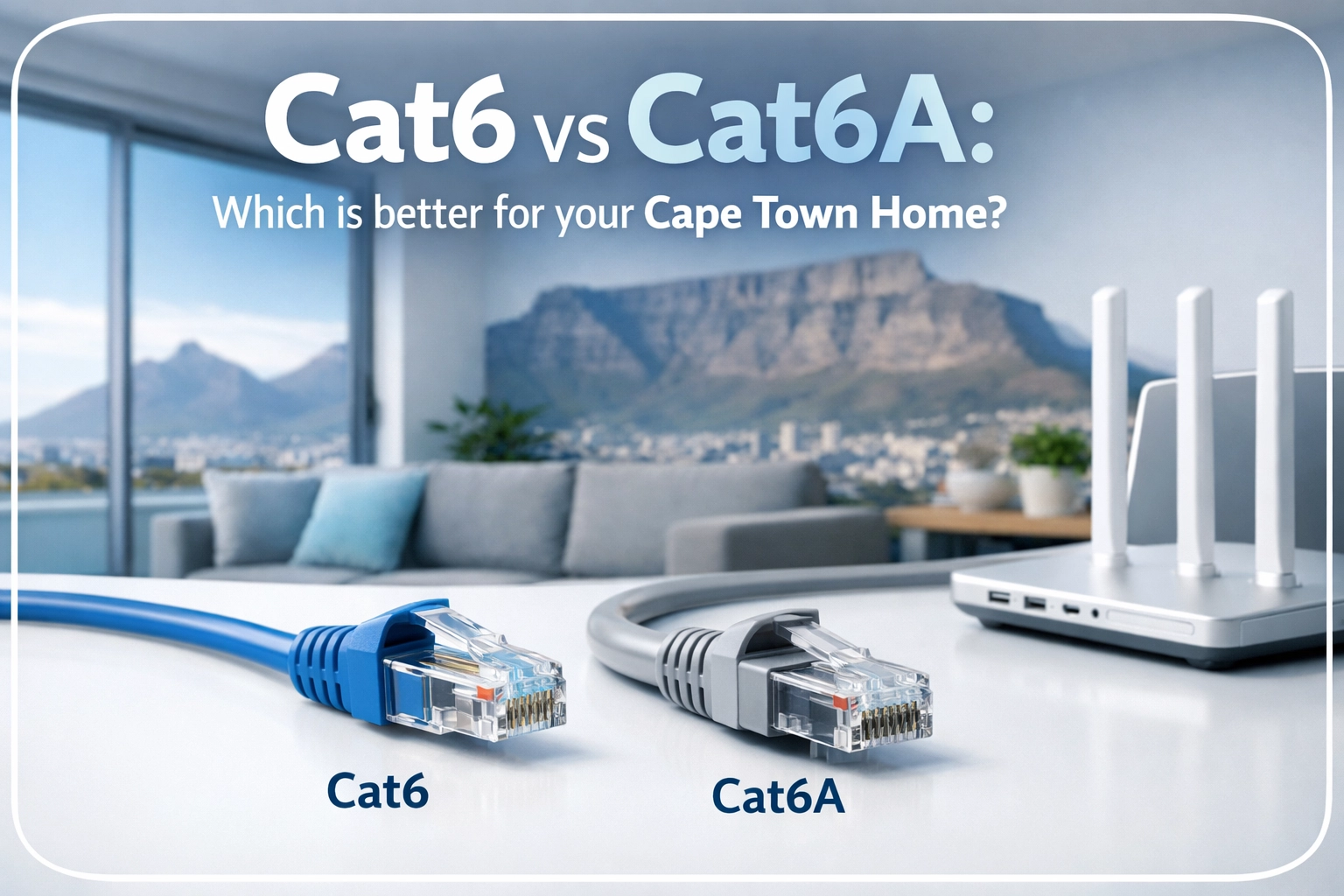
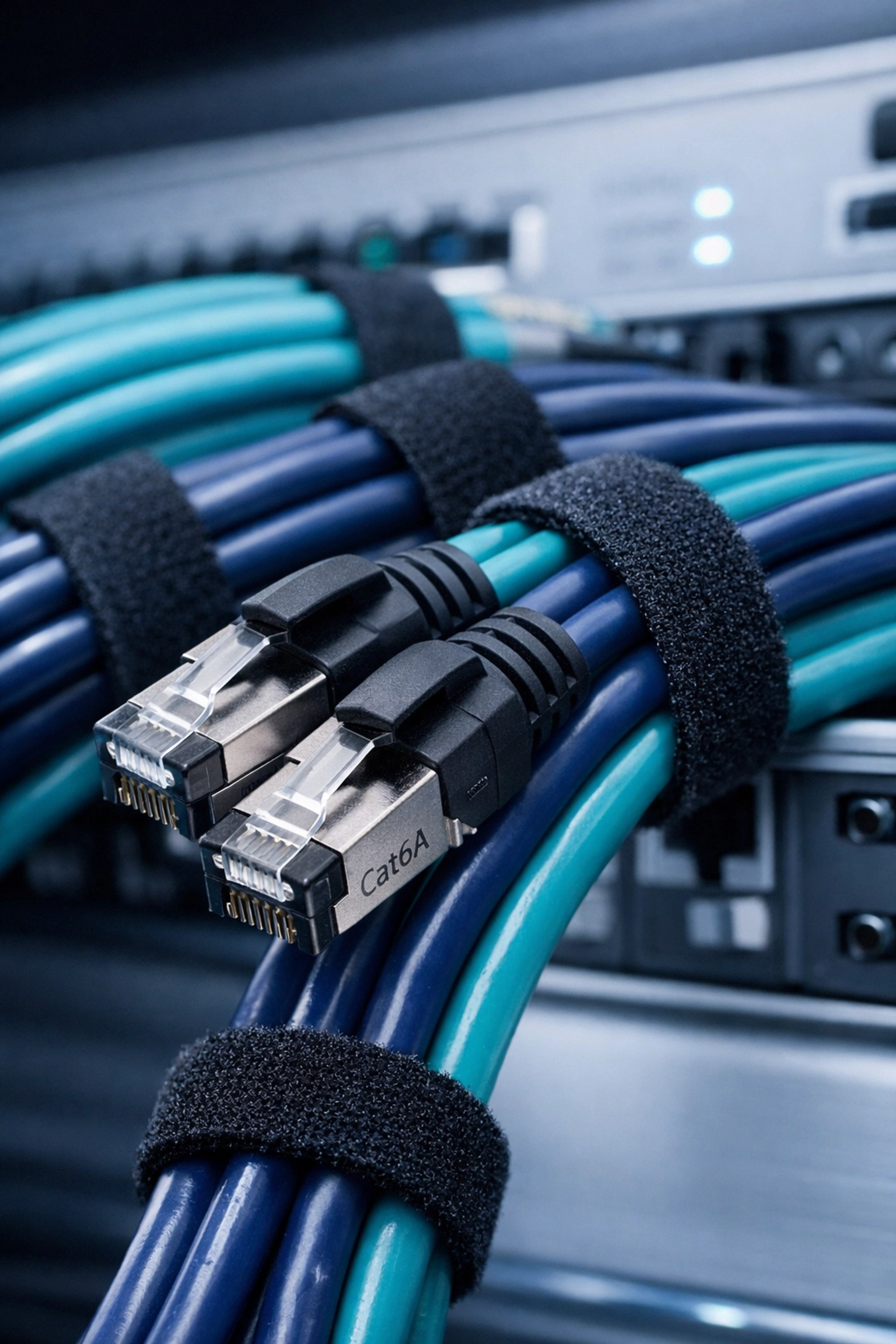
Wi-Fi 7 can push massive amounts of data, which means your internal wiring needs to keep up. In many older Cape Town homes, we still see Cat5e cabling hidden in the walls. To truly unlock Wi-Fi 7, you really need a wired backbone of at least Cat6 or, preferably, Cat6a.
Check out our guide on Cat6 vs. Cat6a to see what your home needs. A professional installation from WiFi Heroes ensures that your "backstage" hardware is just as powerful as your "front-of-house" Wi-Fi.
Why Future-Proofing Now is a Smart Move
In Cape Town, we deal with unique challenges. Our houses are often built with thick brick and mortar (and sometimes reinforced concrete), which are absolute kryptonite for Wi-Fi signals.
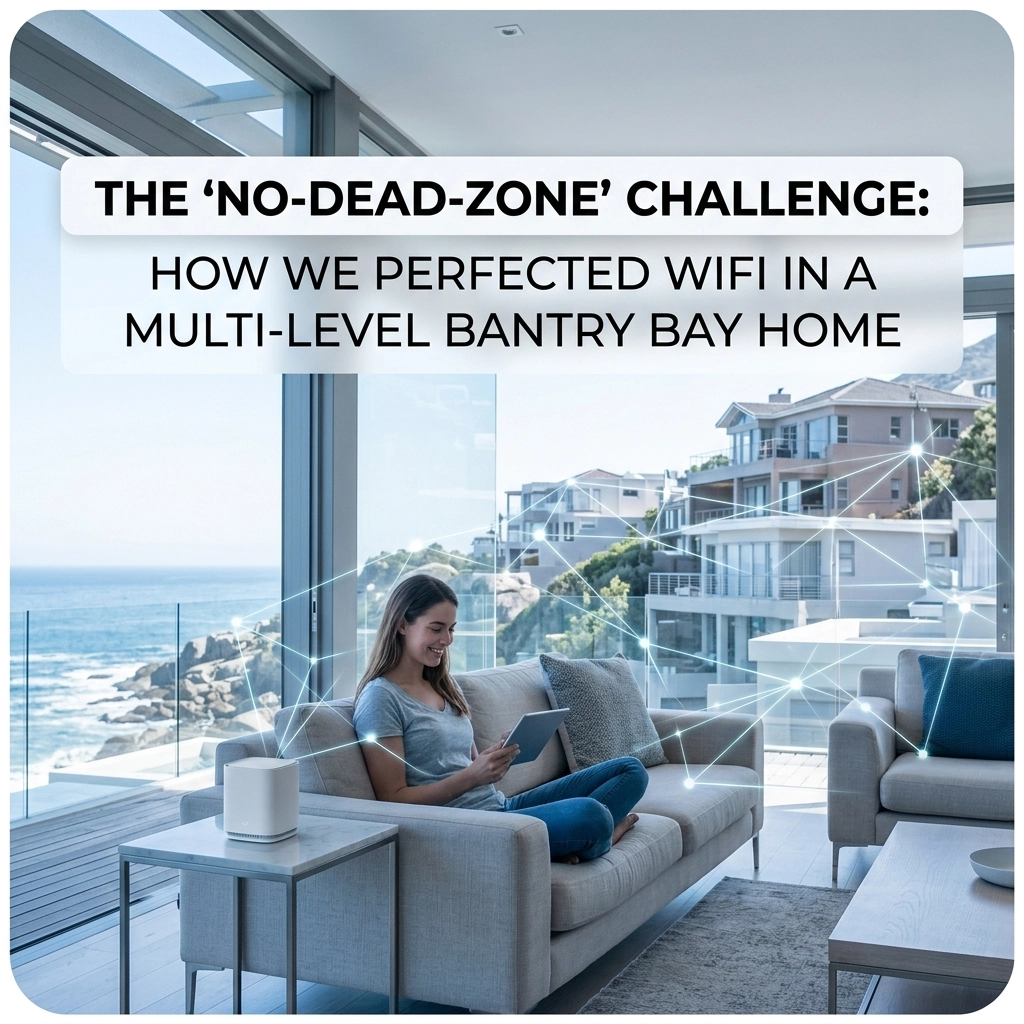
When we design a system for a multi-level Bantry Bay or Bishopscourt home, we don't just look at what works today. We look at what will work in 2028 and 2030. Upgrading to Wi-Fi 7 now means you won't have to touch your network infrastructure for several years. It handles the increasing demands of AI-integrated appliances and high-definition security solutions that are becoming standard in 2026.
Moreover, Wi-Fi 7 is more power-efficient. For those of us running our networks on UPS systems or inverters during load shedding or maintenance outages, every watt counts. Wi-Fi 7’s improved "Target Wake Time" helps IoT devices stay in low-power mode longer, extending the battery life of your smart home sensors.
Is it Worth the Investment?
Let’s be honest: Wi-Fi 7 hardware is currently more expensive than Wi-Fi 6. So, is it worth it?
- YES, if: You are building a new home, renovating, or your current Wi-Fi is constantly dropping. It’s also a must if you have a high-speed fiber line (1Gbps+) and want to actually use that speed wirelessly.
- YES, if: You have a large family with dozens of devices or you work in a high-stakes professional environment from home.
- MAYBE NOT, if: You live alone in a small apartment and only use the internet for basic emails and some light Netflix streaming.
However, if you're the type who values a "set it and forget it" lifestyle where the technology just works, Wi-Fi 7 is the gold standard of 2026.

How WiFi Heroes Can Help
Transitioning to a Wi-Fi 7 ecosystem isn't just about buying a box off a shelf and plugging it in. To get those "under 5ms latency" speeds in every corner of your property: from the bedroom to the braai area: you need a strategic layout.
At WiFi Heroes, we specialize in:
- Heat Mapping: Identifying exactly where the signal drops in your specific floor plan.
- Structured Cabling: Running the right Cat6a or Cat7 lines to support your new hardware.
- Mesh Integration: Knowing when to use mesh vs. traditional access points.
- Security: Ensuring your ultra-fast network is also ultra-secure.
We believe that your Wi-Fi should be like electricity or water: always there, always fast, and something you never have to think about.
The Verdict
Does Wi-Fi 7 matter in 2026? Absolutely.
It’s the first wireless standard that truly matches the reliability of a wired connection. It solves the "too many devices" problem and prepares your home for the next decade of technological advancement.
If you’re tired of dead zones, laggy calls, or slow downloads, it might be time to stop settling for "good enough" and start experiencing what a hero-grade network feels like.
Ready to upgrade your Cape Town home to the future?
Contact the WiFi Heroes team today for a consultation. Let’s make your home the fastest one on the block!